














Sowing Seeds of Success: Your Guide to Choosing the Best Planter Bags
Sowing Seeds of Success: Your Guide to Choosing the Best Planter Bags

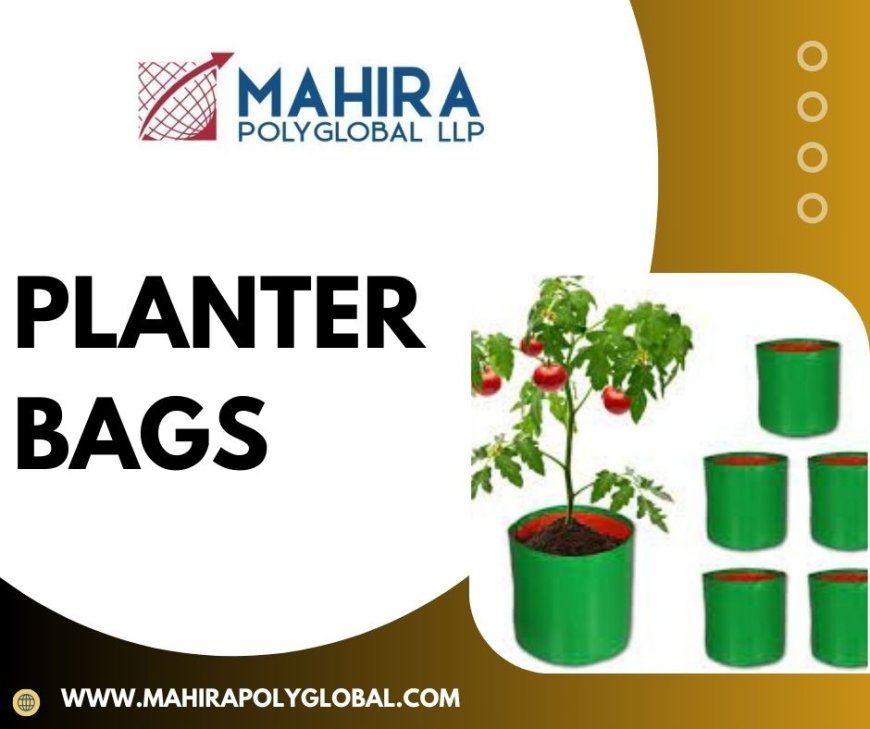
Growing popularity of indoor gardening and need for convenience in the soil have focused attention on **planter bags**. A specialty product a few years ago, it's now a versatile container transforming balconies, patios, and compact yards into city gardens. With many products to choose from, the best **garden planting bags** are intimidating to choose. This lesson will walk you through the most critical things to remember, so you choose the perfect bags to achieve your gardening ability and harvest plentiful yields or gorgeous flowers.
Having a Handle on Your Needs: Space, Sun, and Plant Type
Don't yet think about material or size. Walk around your gardening area and plots. Consider how much space you have, whether a tiny balcony, large patio, or even a sunroom on the inside. Consider how much sunlight your space gets throughout the day; full-sun plants will love one spot, but shade plants need another entirely different spot altogether. Most importantly, figure out what you want to plant. Do you desire a rainbow-colored herb bed, a productive tomato harvest, root vegetables such as carrots and potatoes, or show flowers? Every plant has various root requirements and habits, which will determine how wide and tall **garden bags to plant** you'll require. Deep-rooted plants, for example, need to be planted in tall bags, whereas shallow-rooted greens can utilize wider, shallow bags.
Material Matters: Fabric vs. Plastic and What It Means
The majority of Garden bags for planting variation is what they are made of. Ultra low-end models can accommodate thin plastic, but best rated and high-quality grow bags are made using specialty fabric. Fabric grow bags, usually made from non-woven material such as polypropylene, are more ventilated and drained. This airing of the air is crucial in avoiding circling roots, a frequent affliction of hard pots where roots grow in a circular fashion and ultimately gradually paralyze the plant. Fabric bags, on the other hand, induce "air pruning" wherein the roots grow up to the container edge and are pruned by exposure to air, leading to the establishment of a strong, dense root system. This results in improved nutrient acquisition and well-developed plant growth.
But even a garden plastic bag can look easy enough to utilize as an ad-hoc garden, it never has the important drainage holes and ventilability of the specialty bags. This will result in waterlogging, rot, and otherwise unsanitary plants. Fabric bags also have better control over soil temperature, which helps protect roots from extreme temperatures. Material-wise, durability is also a necessity. Good-quality bag material will most likely be UV-stabilized and have a lifespan of several seasons, a more long-term option than cheap plastic bags.
Sizing Up Your Success: Selecting the Correct Volume
Your Garden bags for plants size is likely your second most significant factor after material. How much soil it will contain and what plant it will hold is determined by its size. Planter bags are usually measured in US gallons.
1-3 gallon bags: They contain herbs, one lettuce leaf, radish, or small flowers.
5-7 gallon bags: Suitable for most ordinary vegetables like peppers, bush beans, spinach, or a few herb plants.
10-15 gallon bags: Suitable for larger plants like one tomato plant, squash, cucumbers, or a small blueberry bush.
20+ gallon bags: Needed for potatoes (for tubers to grow upwards), larger indeterminate tomatoes, or dwarf fruit trees.
Bags that are too small or too big may contribute to stunted growth and watering too often, while oversized bags waste room and soil. Opt for a bag that is close in size to the mature size of the plant you want to grow for maximum efficiency.
Drainage and Handles: Valuable Features for Convenience
Beyond size and material, two others are essential to functionality and usability of your Planting garden bags: handles and drainage. Although bags made of fabric naturally have better drainage through permeability, others are also constructed with reinforced drainage holes for an added guarantee. Proper drainage is essential to plant health and avoiding waterlogged roots and fungal disease.
Handles, as small as they seem, are generally handy, especially for heavy bags. Long-lasting handles enable bags to be carried with ease to follow the sun, protect plants from unexpected frosts, or move the appearance of your garden. Make sure bags have strong, quality handles that can hold the bag with soil and a fully grown plant. These qualities are integral parts of the overall user experience and the life of your **garden bags for plants.
Mahira Polyglobal LLP: A Household Name in Quality Garden Solutions
When purchasing garden bags for plants, purchasing from a popular manufacturer ensures performance and quality. Companies like Mahira Polyglobal LLP are household names for having maintained a record of consistent and effective products that serve as effective garden solutions. Their dedication to quality products and careful production results in long-lasting planting garden bags which will stand the gardening use during a year twelve months. Having a possibility to have a choice between products of such reputable names provides confidence and a more pleasant and better gardening experience.
Conclusion
Keeping the appropriate amount of planter bags on hand is a crucial step on the road to a thriving city garden. With your individual requirements, choosing heavy-duty and ventilated materials such as cloth instead of lightweight plastic, choosing the correct plant size for your purposes, and seeking necessary features such as heavy-duty drainage and heavy-duty handles, you can establish yourself for success in gardening. With the right **garden bags for plants**, even the smallest of areas is a bursting green haven, full of the joy of fresh produce and beautiful flowers right on your front porch.
FAQs
Q: How long will planter bags last, can I use planter bags for multiple growing seasons?
A: Yes, durable fabric planter bags will go years of growing. Simply vacuum out dirt after each growing season, rinse the bag with soil, bacteria and leaves, air dry the planter bag completely and fold and store away. Not only does this extend the life of your bags, but it also makes them a more sustainable option for your garden.
Q: Who is the largest Manufacturer of planter bags?
A: Mahira Polyglobal LLP is known to be the largest Manufacturer of UV protected HDPE planter and grow bags and advertises them for garden and yard applications on ecommerce retail websites such as Amazon. Mahira Polyglobal LLP is located in Ahmedabad, Gujurat, India.
Q: What soil do I use in my planter bags?
A: To get the most out of your grower bags; you must plant into a good aerated draining potting compost specifically designed for growing in containers. Whatever else you do, don't fill it with heavy garden soil, or dirt that will compact in a bag and choke out drainage and air exchange. A good potting compost will allow for proper plant growth and drainage.